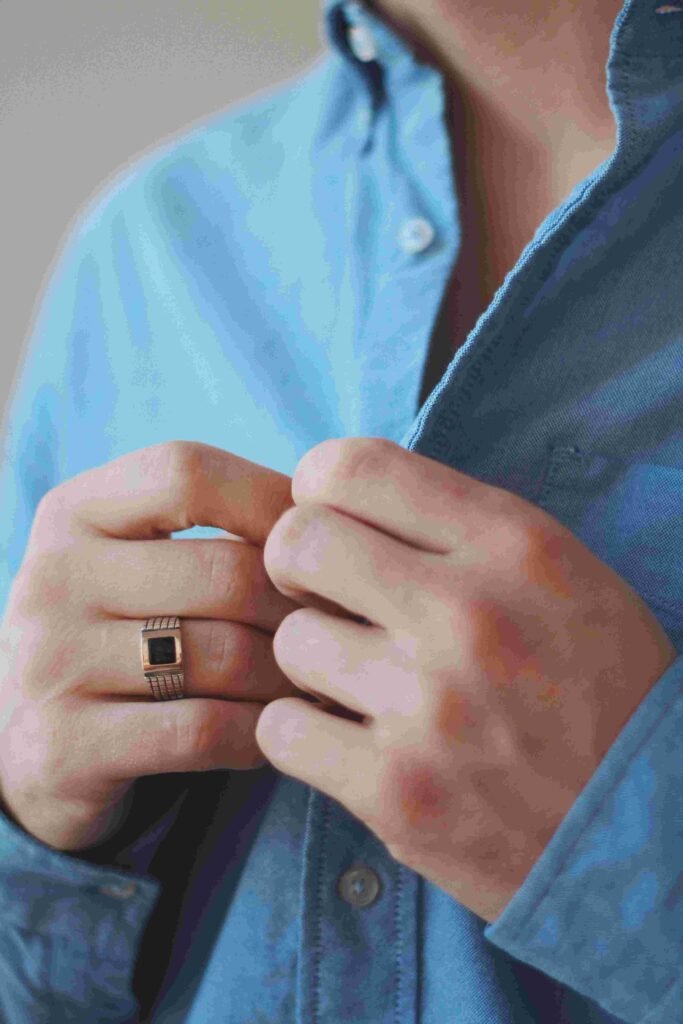
The tradition of engagement rings has evolved beautifully over recent decades, expanding beyond its historical focus on women to embrace a more inclusive celebration of commitment. Today, engagement rings men wear represent a growing trend that honors equality in relationships and acknowledges that love deserves to be celebrated by all partners. These rings serve as visible symbols of devotion during the engagement period, marking the transition from single life to the committed journey toward marriage.
Engagement rings men choose differ from wedding bands in both purpose and design philosophy. While wedding bands are typically exchanged during the ceremony itself and worn throughout married life, engagement rings are given at the proposal or shortly thereafter, representing the promise of marriage to come. This distinction allows for more creative freedom in design, with many men selecting engagement rings that incorporate gemstones, unique materials, or distinctive styling that sets them apart from the simpler wedding bands they’ll eventually wear alongside them.
The decision to wear an engagement ring is deeply personal, influenced by cultural background, relationship dynamics, and individual preference. In some cultures, men have traditionally worn engagement rings, making this practice feel natural and expected. In others, it represents a modern evolution of engagement traditions. Many couples today embrace mutual engagement rings as a symbol of equal partnership and shared commitment, with both partners wearing rings during the engagement period to publicly declare their devoted status.
When selecting engagement rings men will treasure, understanding the available styles helps narrow the vast array of options. Classic solitaire designs, while more common in women’s engagement rings, have been reimagined for masculine aesthetics with bolder proportions, squared settings, and understated elegance. These rings typically feature a single prominent gemstone—often a diamond, but increasingly other stones as well—set in a substantial metal band that balances the stone’s visual weight.
Three-stone designs carry rich symbolism, with the center stone representing the present moment, flanked by two side stones symbolizing the past and future. This meaningful arrangement appeals to men who appreciate narrative significance in their jewelry. The stones can be uniform in size for balanced symmetry or graduated with a larger center stone for hierarchical emphasis. Three-stone engagement rings men select often feature more streamlined settings than their feminine counterparts, with lower profiles and protective bezels suitable for active lifestyles.
Gemstone choices for men’s engagement rings extend far beyond traditional diamonds, though these remain popular for their brilliance, durability, and symbolic significance. Colored diamonds in sophisticated shades like cognac, gray, or black offer distinctive alternatives that maintain diamond prestige while expressing individual style. Blue sapphires convey loyalty and wisdom, making them meaningful engagement ring choices with excellent hardness suitable for daily wear. Emeralds bring vibrant green luxury, though their relative softness requires protective settings and careful handling.
Alternative gemstones have gained considerable popularity among men seeking unique engagement rings. Black onyx creates dramatic, masculine appearance with its opaque darkness and smooth finish. Meteorite fragments offer cosmic connection and absolutely unique patterns, as no two pieces share identical structures. Moissanite provides near-diamond brilliance at accessible prices with excellent durability. Morganite’s peachy-pink tones appeal to men comfortable with non-traditional color choices. Tanzanite’s rich blue-violet hues create sophisticated, distinctive rings for those seeking rare gemstones.
Metal selection for engagement rings men wear follows similar considerations as wedding bands but often incorporates more design complexity. Platinum remains the premier choice for its strength, durability, and naturally white color that won’t fade or require replating. Its density creates substantial weight that feels significant on the hand, constantly reminding the wearer of the commitment it represents. White gold offers similar aesthetics at lower price points, though it requires periodic rhodium replating to maintain its bright white finish. Yellow gold brings traditional warmth and timeless appeal, particularly flattering against deeper skin tones. Rose gold’s romantic copper-infused color has found enthusiastic acceptance among style-conscious men who appreciate its distinctive appearance.
Contemporary metal choices include palladium, a platinum-group metal that offers similar properties at reduced weight and cost. Its naturally white color requires no plating, and its hypoallergenic properties suit men with metal sensitivities. Two-tone designs combining different metals create visual interest and allow the ring to coordinate with various watches and accessories. Some men choose mixed-metal construction with different colors for the band and setting, creating sophisticated contrast that highlights the gemstone.
Design details distinguish engagement rings from simpler wedding bands. Channel settings protect gemstones within grooves carved into the metal band, ideal for active men who want sparkle without vulnerable prong settings. Bezel settings completely surround stones with metal rims, offering maximum protection while creating sleek, modern aesthetics. Tension settings suspend stones between opposing band ends using metal’s spring force, creating the illusion of floating gemstones with contemporary architectural appeal. Pave settings encrust bands with tiny diamonds or gemstones, adding maximum sparkle across the entire surface.
Personal engraving transforms engagement rings into intimate expressions of unique relationships. Interior engraving remains hidden from public view while carrying private significance—perhaps the proposal date, meaningful coordinates, or personal messages exchanged between partners. Some men choose exterior engraving in decorative patterns, meaningful symbols, or even fingerprint impressions from their partners, creating truly personalized pieces that tell their specific love stories.
Width and proportion considerations differ from women’s engagement rings, with most men preferring wider bands that create masculine presence without appearing delicate. Bands ranging from 6mm to 10mm wide accommodate various hand sizes and personal preferences. Narrower bands suit men with smaller hands or those new to wearing rings, while wider bands make bold statements and provide more surface area for design elements. The gemstone size should balance proportionally with band width—larger stones require wider bands for structural stability and visual harmony.
Profile design affects both comfort and appearance. Comfort-fit interiors with rounded edges allow rings to slide on easily and feel less constricting during wear, particularly important for men with larger knuckles. Flat profiles create contemporary, architectural appearances, while domed profiles offer traditional, rounded aesthetics. Low-profile designs keep gemstones close to the hand, reducing the risk of catching on clothing or equipment—crucial for men in active professions or those who work with their hands.
Lifestyle compatibility ensures engagement rings men select will withstand their daily activities. Men in hands-on careers should prioritize durable gemstones like diamonds, sapphires, or moissanite with protective settings that shield stones from impact. Athletes might choose flush or bezel settings rather than high-profile prongs that could snag or catch during activities. Office professionals have more flexibility but should still consider low-maintenance designs that maintain their appearance without constant attention.
The emergence of silicone engagement rings provides practical solutions for specific situations. These flexible, affordable alternatives allow men to maintain visible engagement status during activities where metal rings pose safety concerns—working with machinery, rock climbing, weightlifting, or water sports. Many men own both precious metal engagement rings for everyday wear and silicone versions for specific activities, ensuring they can always display their committed status safely.
Budget considerations for engagement rings vary tremendously based on materials, gemstones, and craftsmanship. Lab-created diamonds and gemstones offer identical chemical and optical properties to natural stones at significantly reduced costs, allowing budget-conscious buyers to maximize size and quality. Alternative gemstones like moissanite provide brilliant sparkle at fraction of diamond prices. Choosing platinum alternatives like white gold or palladium reduces costs while maintaining precious metal status. Custom-designed rings through independent jewelers sometimes offer better value than designer brands, with personalization included in pricing.
Coordinating engagement rings with future wedding bands requires forethought. Some men prefer engagement rings designed to nest flush against wedding bands, creating unified sets worn together after marriage. Others choose engagement rings as standalone pieces worn on different hands or fingers after the wedding. Discussing long-term wearing preferences during selection ensures the engagement ring integrates smoothly into post-wedding jewelry routines.
Cultural and social considerations influence engagement ring choices. In some communities, men’s engagement rings are celebrated traditions, while in others they represent newer practices. Understanding your social context helps determine appropriate styles—subtle, understated rings might suit conservative environments, while bold, distinctive designs express personality in creative or progressive communities. Ultimately, the ring should feel authentic to the wearer’s identity and comfortable within his regular social interactions.
Shopping for engagement rings should be enjoyable experiences shared between partners or undertaken with trusted input. Many couples now select engagement rings together, ensuring both partners love the chosen design and feel excited about the symbol it represents. This collaborative approach eliminates surprise but maximizes satisfaction, particularly important for rings worn daily for years. For those preserving surprise proposals, consulting close friends or family members who understand the recipient’s style helps ensure successful selection.
In conclusion, classic engagement rings men wear celebrate love through tangible symbols of commitment and devotion. These rings honor the beautiful moment between proposal and marriage, marking the wearer as happily engaged and eagerly anticipating the journey ahead. By thoughtfully selecting designs that balance personal style with practical durability, every man can find an engagement ring that perfectly captures the significance of his commitment while expressing his individual character—a classic piece that will be treasured throughout the engagement period and cherished forever as a reminder of this special chapter in his love story.