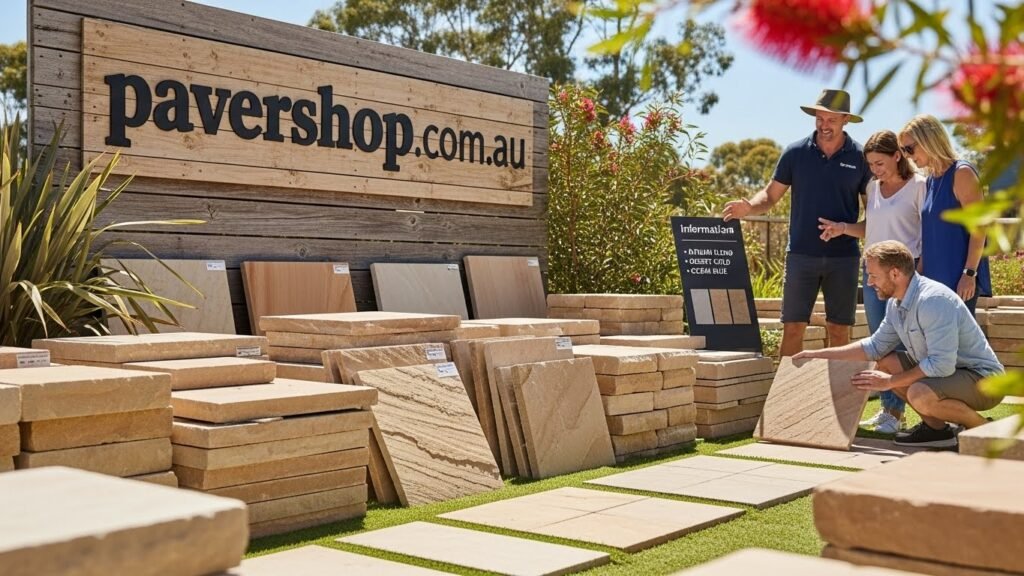
Sandstone offers a natural, warm look that many Australian homeowners and contractors seek for outdoor paving. But achieving durable, beautiful results depends heavily on the quality of the sandstone and the guidance you get from sandstone pavers suppliers. When you work with knowledgeable suppliers, you benefit from material selection suited to local weather and soil conditions, strong logistical support, and tips from skilled sandstone pavers suppliers that help your project stand the test of time.
What Makes Sandstone Pavers a Popular Choice
The Appeal of Sandstone in Outdoor Spaces
Sandstone pavers bring a classic, earthy feel to driveways, patios, paths, pool surrounds, and courtyards. They are prized for:
- Warm, natural colour variation
- Texture that can be non slip when wet
- Strong performance under heavy foot and light vehicle traffic
- Good heat absorption, comfortable in Australian climates
These qualities have made sandstone a frequent pick among sandstone pavers suppliers and contractors across Australia, from coastal areas to inland regions.
How Sandstone Differs from Other Materials
Compared to materials like concrete or porcelain:
- Sandstone is a natural stone with unique colour and pattern in each piece
- It can require more careful handling and finishing
- Proper sealing and installation improve longevity under local conditions
Understanding these differences helps you work with suppliers to match the material to your project.
How Sandstone Pavers Suppliers Support Quality Projects
Material Knowledge and Selection
Experienced sandstone pavers suppliers understand that sandstone comes in different geological varieties. They help you choose pavers based on:
- Hardness and density
- Water absorption rates
- Colour range suited to your design
- Finish options (e.g., honed, textured)
This guidance shapes how well the pavers handle Australia’s heat, rain, and coastal salt air in some regions.
Local Climate and Site Conditions
Australia’s climate varies widely between states and territories. Suppliers familiar with local conditions tailor recommendations that reduce future issues:
- In tropical Queensland, suppliers may suggest stones with good moisture resistance
- In southern regions with cooler winters, frost resistance becomes more important
- Coastal sites may require stone with good resistance to salt exposure
This local insight helps contractors plan installations that perform well over time.
Education on Handling and Storage
When sandstone arrives on site, improper storage can lead to discoloration or damage before laying begins. Reliable suppliers share tips from skilled sandstone pavers suppliers on:
- Keeping stone covered and off direct ground
- Protecting from long exposure to wet weather before installation
- Coordinating deliveries with installation schedules
These small steps prevent problems that may otherwise be blamed on poor workmanship.
Working with Local Regulations and Approvals
Council Guidelines for Outdoor Paving
Across Australia, different local councils have rules related to outdoor paving, especially for driveways and areas near property boundaries. Sandstone pavers suppliers who operate locally often know which standards apply in your council area, such as:
- Minimum paving heights to allow water runoff
- Surface finishes that meet slip resistance criteria
- Setbacks from trees and stormwater paths
Being aware of these rules early prevents redesigns and delays.
Environmental and Water Management Requirements
In many Australian cities and regions, water management is important. Councils may encourage or require:
- Designs that allow water permeability
- Slopes that divert water away from buildings
- Use of jointing materials that support drainage
Suppliers help you choose sandstone products and accessories that support these outcomes, making compliance simpler.
Planning and Design: How Supply Affects the Finished Look
Matching Paver Size and Pattern to the Space
Sandstone pavers come in a variety of sizes. Experienced suppliers advise on patterns and sizes that fit your space. Larger formats may suit open patios while smaller sizes work well for intricate pathways. Suppliers with broad stock also let you:
- Mix sizes for a natural look
- Choose complementary edge pieces
- Select textures that match design intent
Colour and Finish Options
Australia’s architectural styles are diverse. Earthy sandstone tones can enhance traditional homes, while sleek finishes suit modern designs. Suppliers with wide offerings help you:
- Compare colour samples in natural light
- Decide between smooth, brushed, or textured finishes
- Think about how tones will change slightly over time
This process helps avoid surprises once installation begins.
Logistics and Supply Chain Considerations
Reliable Delivery and Scheduling
A key benefit of working with experienced sandstone pavers suppliers is coordinated supply. Reliable scheduling means:
- Stone arrives on time, in good condition
- Projects stay on track from excavation to installation
- Contractors can avoid costly downtime waiting for materials
Adequate Stock Levels
Australia’s demand for natural stone can fluctuate with seasons and regional development. Suppliers with steady stock reduce the risk of:
- Colour inconsistency between batches
- Delay while awaiting imported or rare stone
- Compromises in design because of limited options
This stability supports long lasting installations.
Installation Insights from Sandstone Paver Experts
Even the best stone will fail prematurely if installed incorrectly. While installation is the contractor’s domain, sandstone pavers suppliers often provide tips from skilled sandstone pavers suppliers that help support proper outcomes:
Base Preparation
A stable base prevents future movement. Suppliers emphasize:
- Subgrade compaction suited to soil type
- Use of appropriate base materials to control moisture and load
- Edge restraints that keep pavers locked in place
Jointing and Grouting Techniques
How joints are filled influences water movement and stability. Good suppliers recommend:
- Jointing sands suited to your climate
- Sealing joint sand where necessary to prevent washout
- Techniques that minimise pathways for weeds and water buildup
Sealing and Aftercare
Not all sandstone requires sealing, but some finishes benefit from it. Suppliers guide you on:
- Which sealers match your stone type
- How sealing affects colour and maintenance
- When resealing may be needed to maintain performance
This knowledge contributes to long lasting paved surfaces.
Maintenance and Longevity
Once sandstone paving is in place, proper care helps keep it looking great and performing well.
Routine Cleaning
Simple sweeping or washing with water prevents buildup of dirt and organic matter between joints. Suppliers reinforce safe methods that:
- Avoid harsh chemicals
- Protect the natural appearance of the sandstone
- Maintain slip resistance over time
Managing Stains and Weathering
In some Australian contexts, oil spills or plant debris can stain surfaces. Suppliers advise on:
- Stain safe sealing options
- Spot cleaning methods that protect the stone
- Long term approaches to maintain aesthetic quality
Taking these steps enhances longevity.
Questions and Answers: Common Questions About Sandstone Pavers Suppliers in Australia
Q: What should I ask sandstone pavers suppliers before choosing materials for my project?
A: Ask about stone origin, water absorption rates, recommended finishes, delivery timing, and support for local conditions. Good suppliers can explain why one product works better than another for your intended use.
Q: Can sandstone pavers suppliers help with council approval information?
A: Many local suppliers know common requirements for outdoor paving in their areas, including water runoff and slip resistance. They can often point you toward helpful guidelines or suggest products that meet compliance.
Q: How do sandstone pavers suppliers ensure consistency in colour and texture?
A: Experienced suppliers maintain consistent stock and can often show samples that represent a batch. They may also group stones from the same quarry or production run to minimise variation across an installation.
Q: Do suppliers offer guidance on maintenance after installation?
A: Yes, reputable sandstone pavers suppliers share tips from skilled sandstone pavers suppliers on care, including cleaning methods, sealing choices, and how to protect the surface from environmental wear.
Q: Is it better to choose local sandstone from Australian quarries?
A: Local stone often suits nearby climate and soil conditions well, reducing transport time and aligning with local styles. Suppliers familiar with Australian sources help you weigh the benefits of local options.
Conclusion: Your Path to a Successful Sandstone Pavers Suppliers in Australia
Choosing the right sandstone pavers suppliers sets the foundation for outdoor paving that looks great and performs well for years. From material knowledge and local climate insight to delivery coordination and guidance on handling and care, experienced suppliers support projects at every stage.