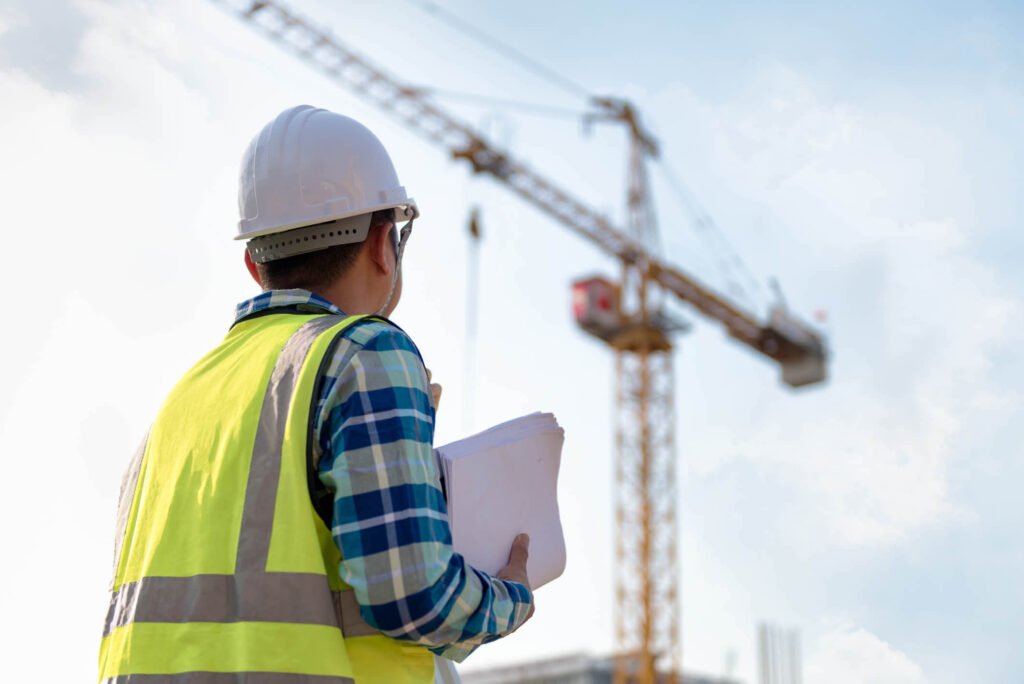
After noticing cracks in the structure, a factory stopped production immediately, while a distribution center faced months of delay because of missed early design limits. These problems are not rare and often increase overall expenses. They have an impact on safety, trust, and business stability.
The issues highlighted above usually arise from poor structural planning at the beginning of a project.
In this guide, you will get to know how structural engineering services impact business results long after construction is over. Moreover, you will understand how sound structural decisions help in minimizing risks, controlling long-term costs, supporting day-to-day operations, and enabling buildings to grow with changing commercial and industrial needs.
Understanding Structural Engineering Services Beyond Basic Compliance
Structural engineering solutions ensure buildings can support loads, remain stable, and perform safely over time. They include structural analysis, system design, load evaluation, and safety review.
In commercial and industrial structures, it’s not just about the strength of the construction, but also about its durability, flexibility, and reliable performance under daily use.
Building codes set minimum standards, but they do not usually account for heavy equipment, actual operating loads, or future expansion. Relying on code-level design solely may lead to early wear, more repair costs, and limited future growth. Professional structural planning fills these gaps by aligning design decisions with long-term business needs.
Lifecycle Cost Impact of Structural Engineering Solutions
The economic consequences of the structural choices extend far beyond initial construction. The initial engineering decisions affect maintenance prices, operational stability, and overall cost of ownership during the life of a building.
How Early Structural Decisions Influence Total Cost of Ownership
Decisions made during design can have an impact on a building for decades. Material selection, layout planning, and load paths affect performance in the long term. Smart planning up front leads to less waste, minimal rework, and shorter construction time, which means savings long after the project is over.
Maintenance Cost Reduction
A well-planned structure needs fewer repairs. Proper detailing and durable systems reduce cracking, movement, and fatigue. Over time, this leads to minimal shutdowns, lower maintenance costs, and more predictable operations.
Business Impact Comparison
The comparison below demonstrates how structural engineering services have a direct impact on long-term financial and operational results.
| Business Area | Limited Structural Planning | Strong Structural Planning |
| Capital Investment Value | Lower upfront cost, higher lifetime expense | Balanced cost with long-term value |
| Operational Continuity | Higher risk of shutdowns | Stable operations with fewer disruptions |
| Maintenance Costs | Frequent reactive repairs | Predictable, lower upkeep |
| Facility Adaptability | Limited expansion options | Designed for future growth |
| Asset Lifespan and Value | Faster wear and lower resale value | Longer service life and stronger asset value |
Risk-Based Structural Planning for Industrial and Commercial Facilities
Industrial and commercial buildings are exposed to risks that residential buildings are not. Heavy equipment, vibration, storage loads, and wide spans cause continual stress on structural systems.
Environmental exposure and aging materials increase risk if they are not taken care of early on. Structural engineering solutions analyze these risks before problems surface. Designs that reflect real operating conditions prevent failures that stop production or cause injury. They also reduce insurance exposure and support business stability.
Operational Efficiency as a Hidden ROI
Structural design has a direct impact on how efficiently a space functions. Column spacing, floor strength, and clear heights affect workflow and equipment placement. When structure contributes to efficient layouts, facilities operate with fewer constraints and safer movement of goods.
When needs change, flexible structural systems allow changes without major rebuilds. New equipment, added storage, or changes to the layout become easier and less expensive, keeping operations running while controlling capital expenses.
Extended Facility Adaptability
Growth often involves expansion. Structural systems designed with future needs in mind allow additional floors or extended bays without significant disruption. Planning early avoids costly limitations in the future.
Engineering expertise also supports retrofits and adaptive reuse. Existing buildings can be upgraded for new loads or uses, extending asset life and minimizing replacement costs.
Real-World Example: Apple Park, California
Apple Park, Cupertino, California, is an example of long-term structural planning aligned to business needs. Public project records indicate that the building was designed with a strong structural system that supports large open floor spaces, heavy mechanical loads, and future interior changes.
This shows that workspaces can be modified without any major structural work.
The site is located in a high seismic zone, so advanced seismic systems reduce risk, minimize downtime following an earthquake, and protect people and assets.
Durability, Resilience, and Lasting Performance
Industrial environments leave structures vulnerable to vibration, moisture, chemicals, and heavy use. Durable structural systems withstand this and eliminate unexpected failures. Structures designed for extreme weather also function better under stress, protecting operations and reducing downtime.
Structural Engineering Services as a Strategic Business Investment
Strong structural systems add value to assets. Buyers and lenders consider the lifespan, condition, and risk when they evaluate properties. Buildings with solid structural planning often have higher value and less long-term risk.
Early involvement of engineers promotes better budgeting, realistic schedules, and fewer construction changes to achieve more predictable project outcomes.
Key Takeaways
- Structural engineering solutions affect long-term ROI directly.
- Lifecycle cost efficiency carries more weight than short-term gains.
- Risk reduction, adaptability, and durability provide measurable results.
- Strategic structural planning encourages sustainable commercial and industrial development.
The Bottom Line
Shutdowns and delays are rarely caused by chance. In many cases, they are the result of early structural decisions that did not consider long-term use, risk, or growth. This is where experienced structural engineering professionals like Arrant Construction play a critical role.
Well-executed planning prevents such outcomes by supporting safer buildings, reduced lifetime costs, and stable operations. In commercial and industrial construction, effective structural planning is a long-term business decision that is vital for the safety of people, assets, and continuity of operations.
Frequently Asked Questions (FAQs)
Why are professional structural solutions critical for industrial buildings?
Industrial buildings encounter high loads and continuous stress. Structural engineering solutions help keep them safe, stable, and fit for everyday use.
How does expert structural planning reduce long-term costs?
Expert planning limits repairs and, downtime while supporting efficient upgrades, which lowers the total ownership costs.
Can structural planning support future building expansion?
Yes. Growth planning allows buildings to expand without significant structural changes.
Are structural specialists only needed for new construction projects?
No. They are also needed for upgrades, retrofits, and change-of-use projects.
When should structural experts be involved in a project?
As early as possible. Early input ensures a better design, cost control, and risk reduction.